Kubernetes for People Who Have to Run It
For the engineer who already has this in production and did not choose it. The request path outside in, scheduling and node pools, the address space that runs out while the hardware sits idle, and a control-plane bootstrap worked through its real failure sequence to a conclusion.
- trending_upAdvanced
- schedule9h 20m
- menu_book12 درس
- publicEnglish
- workspace_premiumBasic
الإحاطة
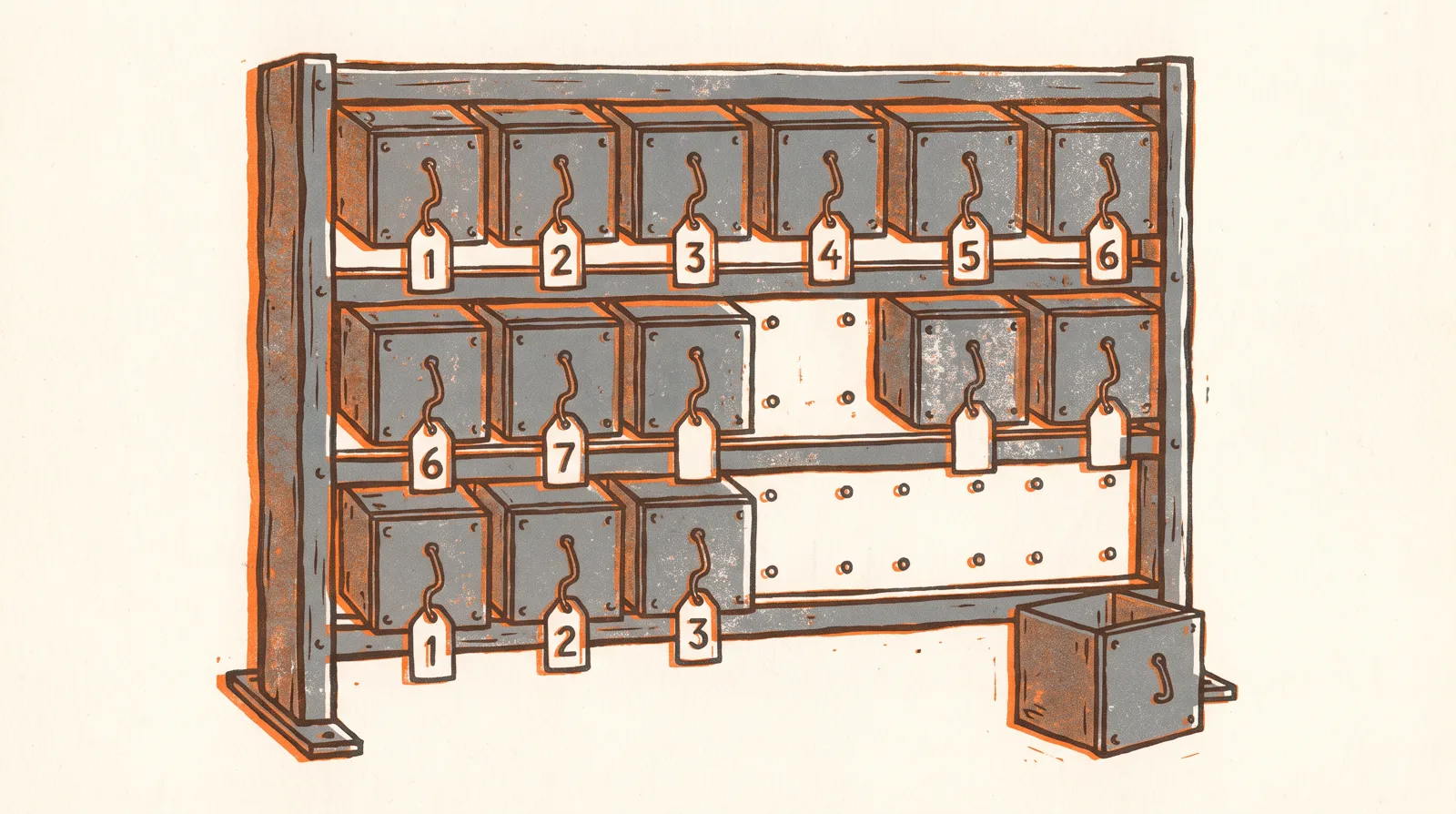
This is the highest level in the Library and it does not open by explaining what a container is for. It assumes you run something. Somebody else built the cluster, or you built it in a hurry two years ago, and you are now the person who gets rung when it stops. If you are still deciding whether to adopt this platform at all, read the fourth module of Securing a Cloud Estate You Didn't Build first — it works through a client who asked for a Kubernetes-scale answer to a spreadsheet-scale problem, and it gives you the words to refuse. That argument is finished and this segment does not reopen it. This one starts one step later. Everything here is taught from something that failed. You will apply an Ingress that is accepted and does nothing, schedule pods that never run, resolve a service name perfectly and connect to nothing, and fill a machine with 32 idle cores and 96 GB of untouched memory until it refuses the next twenty-six pods. That last one is the best technical moment in the source material: a node with headroom for around four hundred pods that can only be given 256 internal addresses per interface, so full-mesh communication caps density long before the processor does. The last module builds a control plane from nothing on a throwaway host. It fails four times first — a leftover file, forwarding disabled, a port already taken, and a bootstrap that hangs for four minutes and then gives up with an error that does not name the cause. The bring-up in the source notes stops at that hang, unfinished. This one finishes it. The thread running through all four modules is a single habit: in this platform a green tick means an object was accepted, and says nothing whatsoever about whether anything acted on it.
مخطط المسار · 4 وحدة
lockيتاح مع الوصول- 01 ما الذي يعمل فعليًا، من الخارج إلى الداخل3 درس·1h 51m
الجميع يتعلمون هذه المنصة من الداخل إلى الخارج، ثم يتعين عليهم تصحيح أخطائها من الخارج تحت الضغط في الساعة الثالثة صباحًا. تبني هذه الوحدة الخريطة في الاتجاه الذي يأتي منه الحادث، وتنتهي بالنصف منها…
- 02 أين تهبط الأشياء ولماذا3 درس·1h 56m
يمكن لأي شخص نشر pod مرة واحدة. العمل الفعلي هو جعل هذا الترتيب يصمد أمام احتكاكه بأحد عشر مهندسًا آخر لم يسمعوا به من قبل، وهذا يتطلب استخدام كلا نصي آلية لا يستخدم معظم الناس منها سوى نصف واحد.
- 03 الشبكة ومساحة العناوين التي نفدت3 درس·2h 41m
يُنتج المختبران في هذه الوحدة كتلة صحية حسب كل مقياس يجمعه نظام المراقبة لديك ولا يمكنها بدء حمل عمل آخر. المختبر الثاني لا يترك أي أثر على الإطلاق بعد ساعة، وهذا هو الجزء الذي يتم تدريسه فعلاً.
- 04 Bootstrap الذي فشل3 درس·2h 52m
معظم الأشخاص الذين يقرأون هذا لن يقوموا ببناء مستوى تحكم، وهذا قرار معقول وليس فجوة. افعله مرة واحدة على أي حال: مرحلة الإطلاق هي الفرصة الوحيدة التي يعدّد فيها هذا النظام نفسه، بالترتيب، ويخبرك بما…
الأسئلة الشائعة
- ماذا سأتعلم في Kubernetes for People Who Have to Run It؟
- For the engineer who already has this in production and did not choose it. The request path outside in, scheduling and node pools, the address space that runs out while the hardware sits idle, and a control-plane bootstrap worked through its real failure sequence to a conclusion.
- هل أحتاج إلى خبرة سابقة؟
- يُنصح ببعض المعرفة السابقة قبل البدء في Kubernetes for People Who Have to Run It.
- كم من الوقت يستغرق Kubernetes for People Who Have to Run It؟
- Kubernetes for People Who Have to Run It يتضمن 4 وحدات و12 دروس. تتعلم بسرعتك الخاصة.
- كيف أحصل على الوصول؟
- Kubernetes for People Who Have to Run It مضمن في أي اشتراك مدفوع.
المزيد في علوم الحاسوب