Kubernetes for People Who Have to Run It
For the engineer who already has this in production and did not choose it. The request path outside in, scheduling and node pools, the address space that runs out while the hardware sits idle, and a control-plane bootstrap worked through its real failure sequence to a conclusion.
- trending_upAdvanced
- schedule9h 20m
- menu_book12 درس
- publicEnglish
- workspace_premiumBasic
معرفی اجمالی
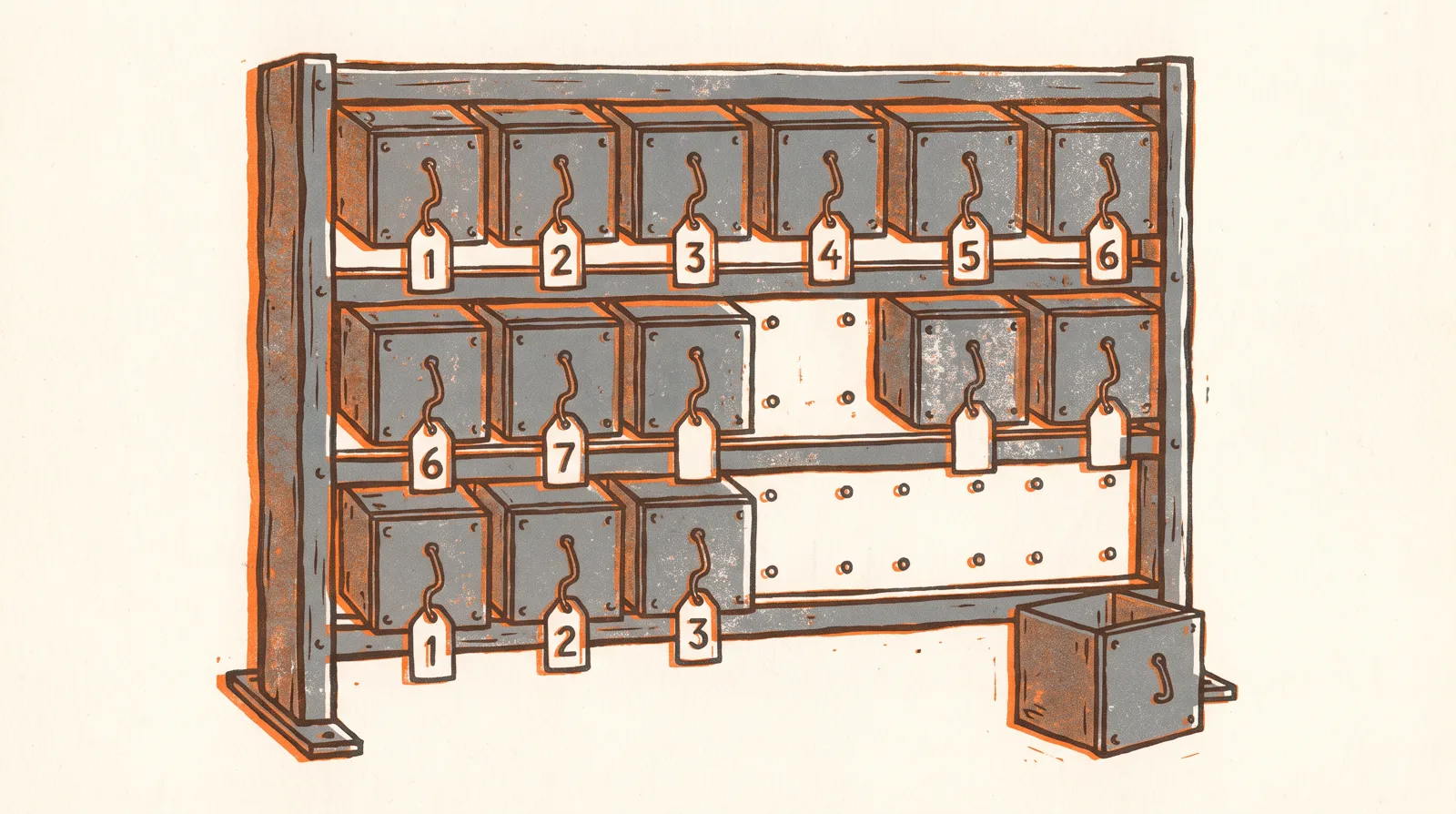
This is the highest level in the Library and it does not open by explaining what a container is for. It assumes you run something. Somebody else built the cluster, or you built it in a hurry two years ago, and you are now the person who gets rung when it stops. If you are still deciding whether to adopt this platform at all, read the fourth module of Securing a Cloud Estate You Didn't Build first — it works through a client who asked for a Kubernetes-scale answer to a spreadsheet-scale problem, and it gives you the words to refuse. That argument is finished and this segment does not reopen it. This one starts one step later. Everything here is taught from something that failed. You will apply an Ingress that is accepted and does nothing, schedule pods that never run, resolve a service name perfectly and connect to nothing, and fill a machine with 32 idle cores and 96 GB of untouched memory until it refuses the next twenty-six pods. That last one is the best technical moment in the source material: a node with headroom for around four hundred pods that can only be given 256 internal addresses per interface, so full-mesh communication caps density long before the processor does. The last module builds a control plane from nothing on a throwaway host. It fails four times first — a leftover file, forwarding disabled, a port already taken, and a bootstrap that hangs for four minutes and then gives up with an error that does not name the cause. The bring-up in the source notes stops at that hang, unfinished. This one finishes it. The thread running through all four modules is a single habit: in this platform a green tick means an object was accepted, and says nothing whatsoever about whether anything acted on it.
طرح درس · 4 ماژول
lockآزاد میشود با دسترسی- 01 آنچه واقعاً در حال اجرا است، از بیرون به درون3 درس·1h 51m
همه در این پلتفرم از درون به بیرون یاد میگیرند و سپس مجبورند آن را در فشار در ساعت ۳ صبح از بیرون debug کنند. این ماژول نقشه را در جهتی که یک incident از آن جانب میرسد میسازد، و با نیمهای از آن…
- 02 جایی که چیزها فرود میآیند، و چرا3 درس·1h 56m
هر کس میتواند یک pod را یک بار배치ش دهد. کار این است که این ترتیب با تماس یازده مهندس دیگری که هرگز از آن شنیدهاند، بماند و این نیاز به هر دو نیمه یک مکانیزم دارد که اکثر مردم فقط از یک نیمه آن…
- 03 شبکه و فضای آدرس که تمام شد3 درس·2h 41m
دو آزمایشگاه در این ماژول خوشهای را تولید میکنند که از هر جنبهای که نظارت شما جمع میکند سالم است و نمیتواند workload دیگری شروع کند. ماژول دوم پس از یک ساعت هیچ شاهدی باقی نمیگذارد، و این همان…
- 04 Bootstrap ای که شکست خورد3 درس·2h 52m
اکثر مردمی که این متن را می خوانند هرگز یک control plane نخواهند ساخت، و این یک تصمیم معقول است نه یک کاستی. یک بار دوباره انجامش دهید: bring-up تنها موقعیتی است که در آن این platform خود را شمارش می…
پرسشهای متداول
- در Kubernetes for People Who Have to Run It چه چیزی یاد میگیرم؟
- For the engineer who already has this in production and did not choose it. The request path outside in, scheduling and node pools, the address space that runs out while the hardware sits idle, and a control-plane bootstrap worked through its real failure sequence to a conclusion.
- آیا نیاز به تجربه قبلی دارم؟
- دانش قبلی تا حدودی قبل از شروع Kubernetes for People Who Have to Run It توصیه میشود.
- Kubernetes for People Who Have to Run It چقدر طول میکشد؟
- Kubernetes for People Who Have to Run It شامل 4 ماژول و 12 درس است. شما با سرعت خود یاد میگیرید.
- چگونه دسترسی پیدا کنم؟
- Kubernetes for People Who Have to Run It در هر اشتراک پولی گنجانده شده است.
بیشتر در علوم کامپیوتر