Kubernetes for People Who Have to Run It
For the engineer who already has this in production and did not choose it. The request path outside in, scheduling and node pools, the address space that runs out while the hardware sits idle, and a control-plane bootstrap worked through its real failure sequence to a conclusion.
- trending_upAdvanced
- schedule9h 20m
- menu_book12個のレッスン
- publicEnglish
- workspace_premiumBasic
ブリーフィング
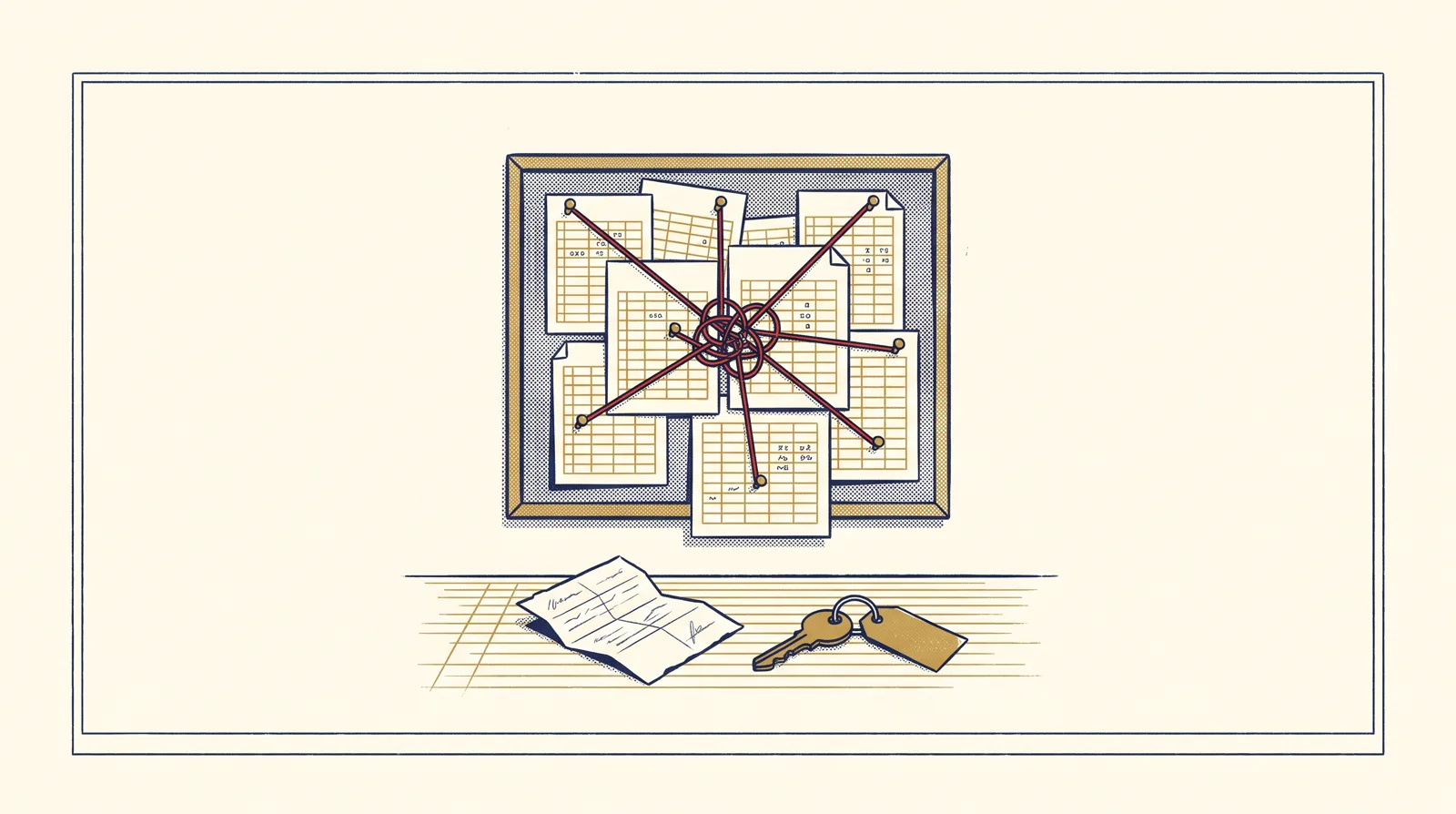
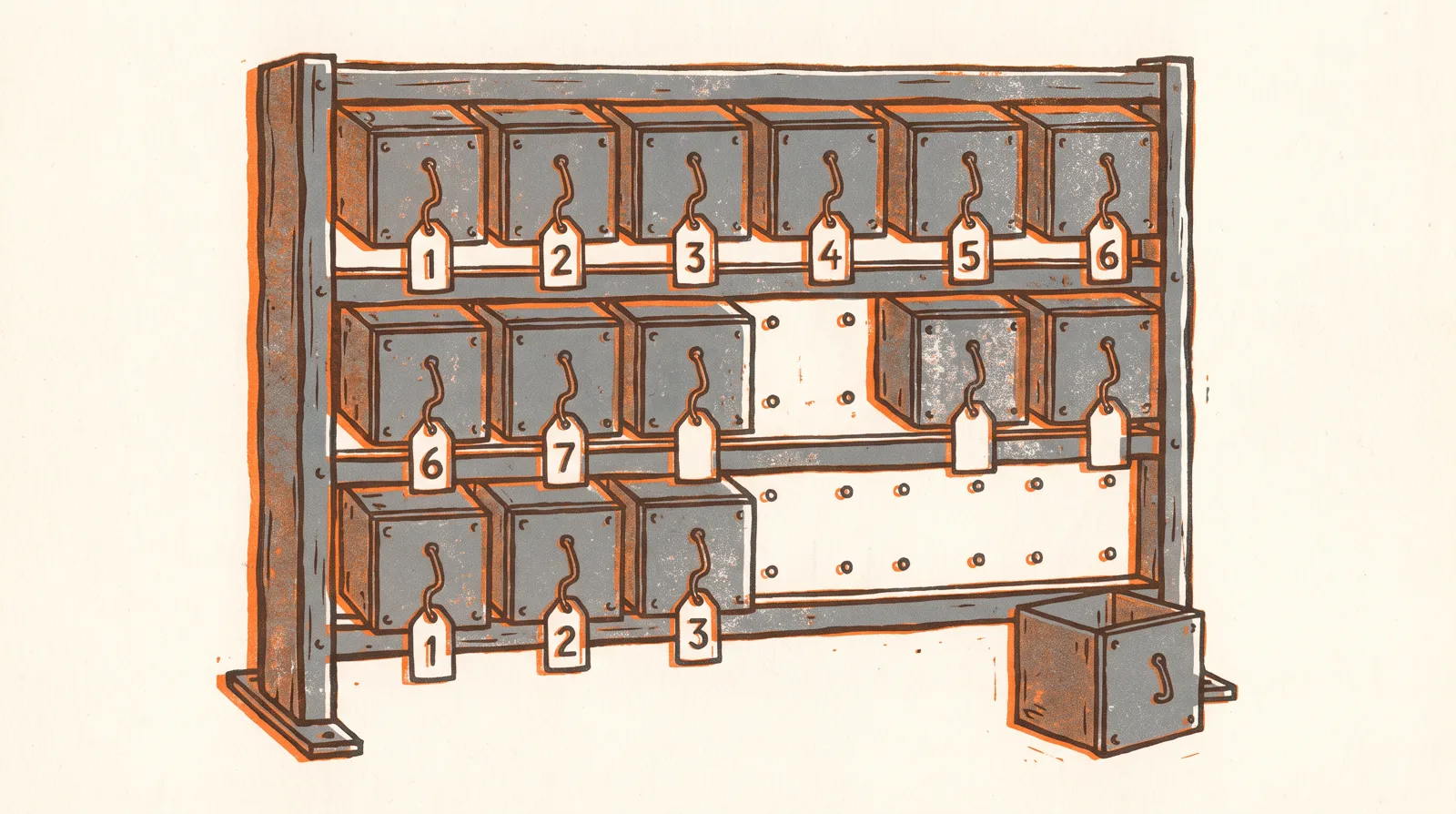
This is the highest level in the Library and it does not open by explaining what a container is for. It assumes you run something. Somebody else built the cluster, or you built it in a hurry two years ago, and you are now the person who gets rung when it stops. If you are still deciding whether to adopt this platform at all, read the fourth module of Securing a Cloud Estate You Didn't Build first — it works through a client who asked for a Kubernetes-scale answer to a spreadsheet-scale problem, and it gives you the words to refuse. That argument is finished and this segment does not reopen it. This one starts one step later. Everything here is taught from something that failed. You will apply an Ingress that is accepted and does nothing, schedule pods that never run, resolve a service name perfectly and connect to nothing, and fill a machine with 32 idle cores and 96 GB of untouched memory until it refuses the next twenty-six pods. That last one is the best technical moment in the source material: a node with headroom for around four hundred pods that can only be given 256 internal addresses per interface, so full-mesh communication caps density long before the processor does. The last module builds a control plane from nothing on a throwaway host. It fails four times first — a leftover file, forwarding disabled, a port already taken, and a bootstrap that hangs for four minutes and then gives up with an error that does not name the cause. The bring-up in the source notes stops at that hang, unfinished. This one finishes it. The thread running through all four modules is a single habit: in this platform a green tick means an object was accepted, and says nothing whatsoever about whether anything acted on it.
コースアウトライン · 4個のモジュール
lockアクセスで解放- 01 実際に何が実行されているか、外から内へ3個のレッスン·1h 51m
誰もがこのプラットフォームを内から外へと学び、その後、午前3時に圧力のもとで外から内へとデバッグする必要があります。このモジュールは、インシデントが到着する方向に沿ってマップを構築し、受け取ることがないハンドオーバードキュメントに含まれていないその半分で終わります。
- 02 物がどこに着地するか、そしてなぜか3個のレッスン·1h 56m
誰でも一度はポッドを配置できます。本当の仕事は、その配置が、それについて聞いたことのない他の11人のエンジニアとの接触に耐えることであり、それにはほとんどの人が一度しか使ったことのないメカニズムの両方の部分が必要です。
- 03 ネットワークと枯渇したアドレス空間3個のレッスン·2h 41m
このモジュールの2つのラボは、監視が収集するあらゆる指標で健全なクラスタを生み出し、別のワークロードを開始できない。2番目のラボは1時間後に痕跡を一切残さない。これが本当に教えられている部分である。
- 04 失敗したブートストラップ3個のレッスン·2h 52m
このテキストを読む大多数の人はコントロールプレーンを構築することはないでしょう。それは妥当な選択です。一度は試してみてください。立ち上げ時だけは、このプラットフォームが順番に自身を列挙し、その構成を告げてくれるのです。
よくある質問
- Kubernetes for People Who Have to Run Itでは何を学べますか?
- For the engineer who already has this in production and did not choose it. The request path outside in, scheduling and node pools, the address space that runs out while the hardware sits idle, and a control-plane bootstrap worked through its real failure sequence to a conclusion.
- 事前の経験が必要ですか?
- Kubernetes for People Who Have to Run Itを開始する前に、ある程度の事前知識が推奨されます。
- Kubernetes for People Who Have to Run Itはどのくらいの時間がかかりますか?
- Kubernetes for People Who Have to Run Itには4個のモジュールと12個のレッスンが含まれています。自分のペースで学習できます。
- アクセスするにはどうすればよいですか?
- Kubernetes for People Who Have to Run Itは任意の有料サブスクリプションに含まれています。
コンピュータサイエンスのその他