Kubernetes for People Who Have to Run It
For the engineer who already has this in production and did not choose it. The request path outside in, scheduling and node pools, the address space that runs out while the hardware sits idle, and a control-plane bootstrap worked through its real failure sequence to a conclusion.
- trending_upAdvanced
- schedule9h 20m
- menu_book12개 강의
- publicEnglish
- workspace_premiumBasic
개요
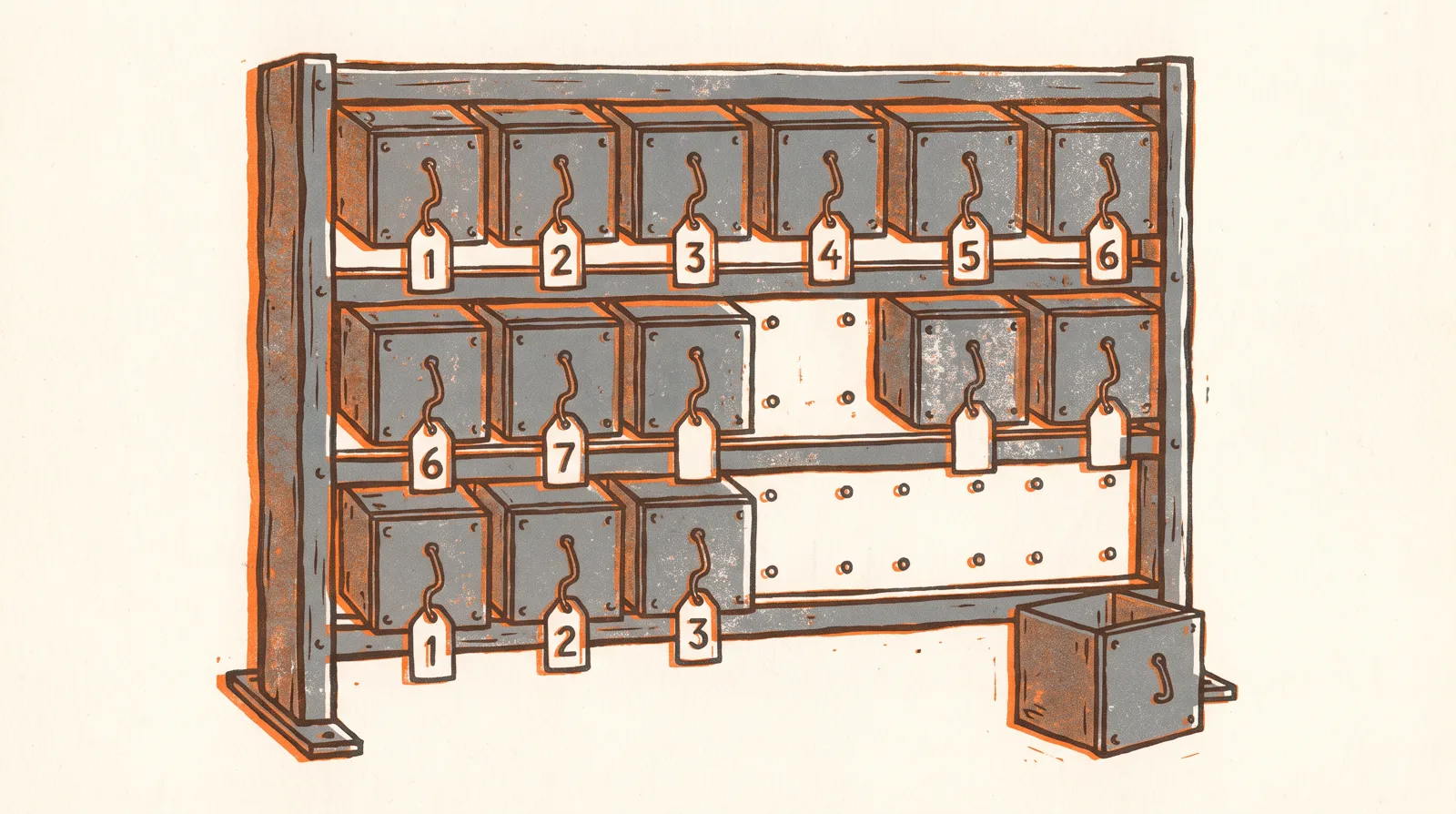
This is the highest level in the Library and it does not open by explaining what a container is for. It assumes you run something. Somebody else built the cluster, or you built it in a hurry two years ago, and you are now the person who gets rung when it stops. If you are still deciding whether to adopt this platform at all, read the fourth module of Securing a Cloud Estate You Didn't Build first — it works through a client who asked for a Kubernetes-scale answer to a spreadsheet-scale problem, and it gives you the words to refuse. That argument is finished and this segment does not reopen it. This one starts one step later. Everything here is taught from something that failed. You will apply an Ingress that is accepted and does nothing, schedule pods that never run, resolve a service name perfectly and connect to nothing, and fill a machine with 32 idle cores and 96 GB of untouched memory until it refuses the next twenty-six pods. That last one is the best technical moment in the source material: a node with headroom for around four hundred pods that can only be given 256 internal addresses per interface, so full-mesh communication caps density long before the processor does. The last module builds a control plane from nothing on a throwaway host. It fails four times first — a leftover file, forwarding disabled, a port already taken, and a bootstrap that hangs for four minutes and then gives up with an error that does not name the cause. The bring-up in the source notes stops at that hang, unfinished. This one finishes it. The thread running through all four modules is a single habit: in this platform a green tick means an object was accepted, and says nothing whatsoever about whether anything acted on it.
강의 커리큘럼 · 4개 모듈
lock접근 시 이용 가능- 01 실제로 무엇이 실행 중인지, 외부에서 내부로3개 강의·1h 51m
모두가 이 플랫폼을 내부에서 외부로 학습한 다음 새벽 3시에 압박 속에서 외부에서 내부로 디버깅해야 한다. 이 모듈은 인시던트가 도착하는 방향으로 맵을 만들고, 당신이 받게 될 어떤 인수 인계 문서도 포함하지 않는 절반으로 끝난다.
- 02 일이 어디로 가는지, 그리고 왜인지3개 강의·1h 56m
누구나 pod 하나 정도는 배치할 수 있다. 진짜 일은 그것을 들은 적이 없는 열한 명의 다른 엔지니어와의 접촉에서 그 배치가 살아남도록 만드는 것이고, 그러려면 대부분의 사람들이 절반씩만 사용하는 메커니즘의 양쪽 모두가 필요하다.
- 03 네트워크와 고갈된 주소 공간3개 강의·2h 41m
이 모듈의 두 랩은 모니터링이 수집하는 모든 지표로 건강해 보이면서도 다른 워크로드를 시작할 수 없는 클러스터를 만든다. 두 번째 랩은 한 시간 후 아무 증거도 남지 않으며, 이 부분이 실제로 가르치는 내용이다.
- 04 실패한 부트스트랩3개 강의·2h 52m
이를 읽는 대부분의 사람들은 컨트롤 플레인을 절대 구축하지 않을 것이고, 그것은 부족함보다는 합리적인 결정이다. 어쨌든 한 번 해보라: bring-up은 이 플랫폼이 자신을 순서대로 열거하고 자신이 무엇으로 만들어졌는지를 알려주는 유일한 기회다.
자주 묻는 질문
- Kubernetes for People Who Have to Run It에서 무엇을 배우나요?
- For the engineer who already has this in production and did not choose it. The request path outside in, scheduling and node pools, the address space that runs out while the hardware sits idle, and a control-plane bootstrap worked through its real failure sequence to a conclusion.
- 사전 경험이 필요한가요?
- Kubernetes for People Who Have to Run It을 시작하기 전에 기초 지식이 있으면 좋아요.
- Kubernetes for People Who Have to Run It은 얼마나 걸리나요?
- Kubernetes for People Who Have to Run It은 4개 모듈과 12개 강의로 구성되어 있고, 자신의 속도로 학습할 수 있어요.
- 어떻게 접근하나요?
- Kubernetes for People Who Have to Run It은 모든 유료 구독에 포함되어 있어요.
컴퓨터 과학의 다른 강의