The Security Interview
Four rooms, each testing something different. What the recruiter screen is actually filtering, and the salary range asked before anything else. The technical bank, with a model answer and the reason it works. Five scenario questions marked the way a hiring manager marks them. Then the panel, the questions you ask them, and the debrief you write the same evening.
- trending_upIntermediate
- schedule7h 41m
- menu_book12개 강의
- publicEnglish
- workspace_premiumBasic
개요
A security interview is not one test. It is four, and they are marked by different people against different things. The recruiter screen is a form. Somebody who does not do the job is checking your answers against a list they were handed, and the two questions that end most screens have nothing to do with security. One of them is the salary range, asked first, before you know anything about the role. Then the technical conversation. Security questions do have correct answers, and you can learn them in an afternoon. The correct answer scores you about half the marks available. The rest is in the sentence afterwards, and the sentence afterwards is the whole segment. Then the scenario. Five of them here, drawn from a real queue: a critical score that outranks nothing, twelve people who cannot log in, a log where every line is a success, a payment that has already left, and a one-line brief asking you to secure something nobody has described to you. Each is worked, then marked against the four bands a hiring manager actually uses, and two of the five have a model answer with no technology in it at all. Then the panel. Four people, four decisions, and usually one engineer who has decided to find out whether you would be difficult to work with. You get the questions to ask them, and what each answer tells you about the job. And then the debrief you write the same evening, which is how a question bank of your own gets built, and it is the only artefact from this segment that keeps paying. You will be told, more than once, not to answer. Three of the questions in this segment have a correct answer that is a boundary. This segment teaches nothing about how to hold up under a follow-up question. That is taught properly in the explaining-your-work segment, it is better than anything here, and module 1 sends you there once and never mentions it again.
강의 커리큘럼 · 4개 모듈
lock접근 시 이용 가능- 01 Before the Room3개 강의·1h 37m
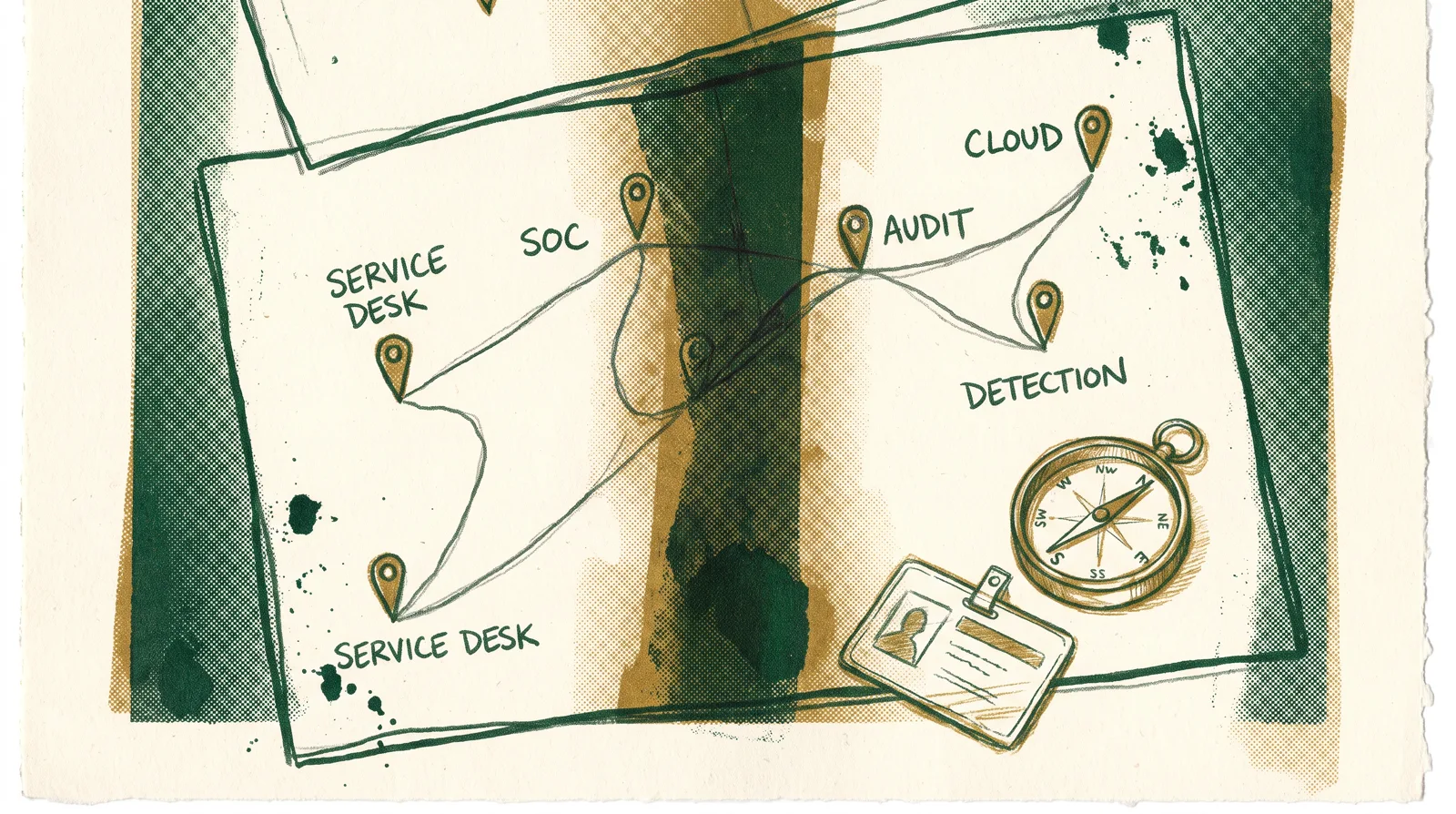
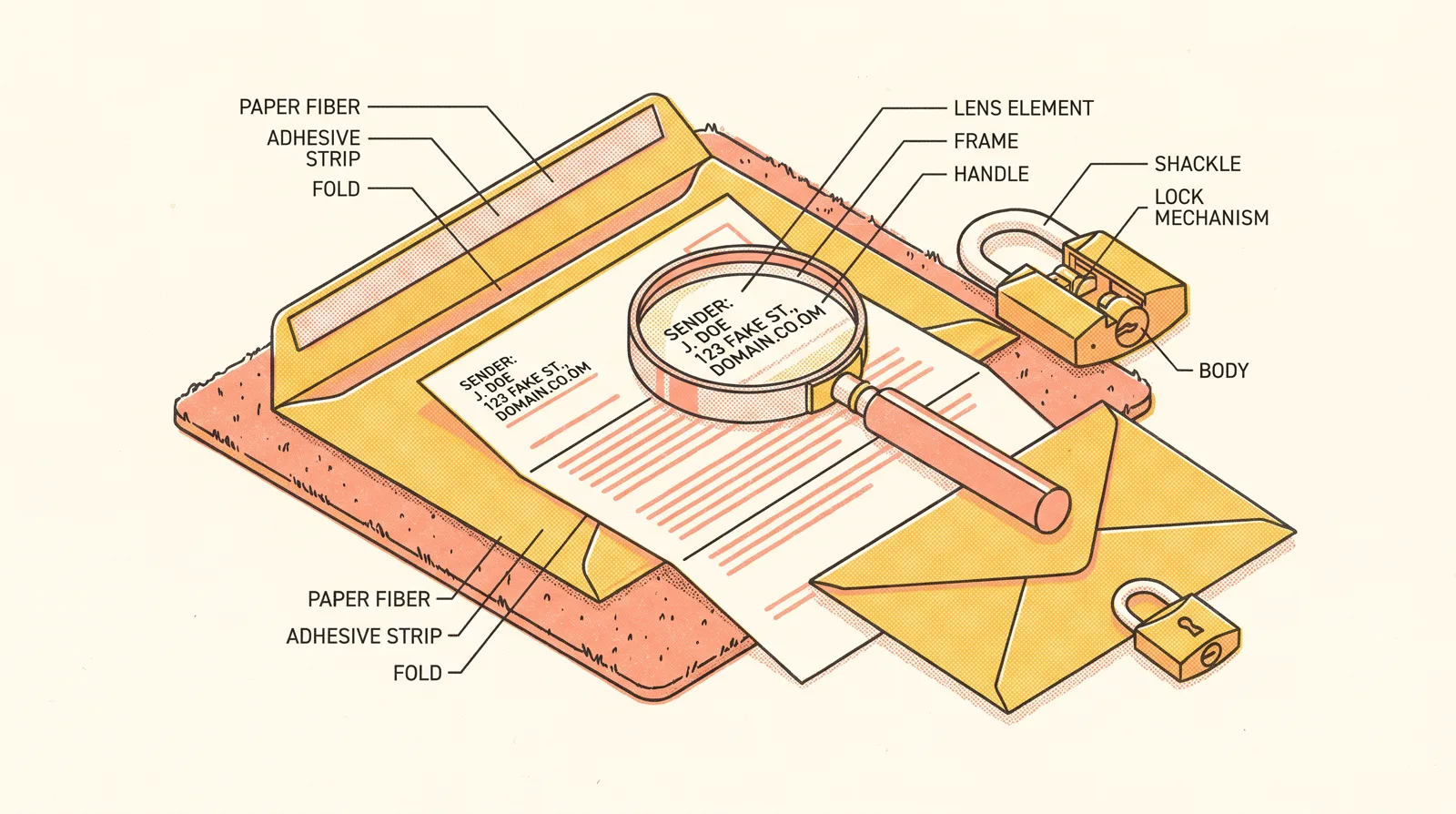
The recruiter is completing a form, and knowing which fields are on it changes what you say. Then the range question, asked first, which is a filter rather than a negotiation, and a refusal is a…
- 02 What They Are Actually Marking3개 강의·1h 38m
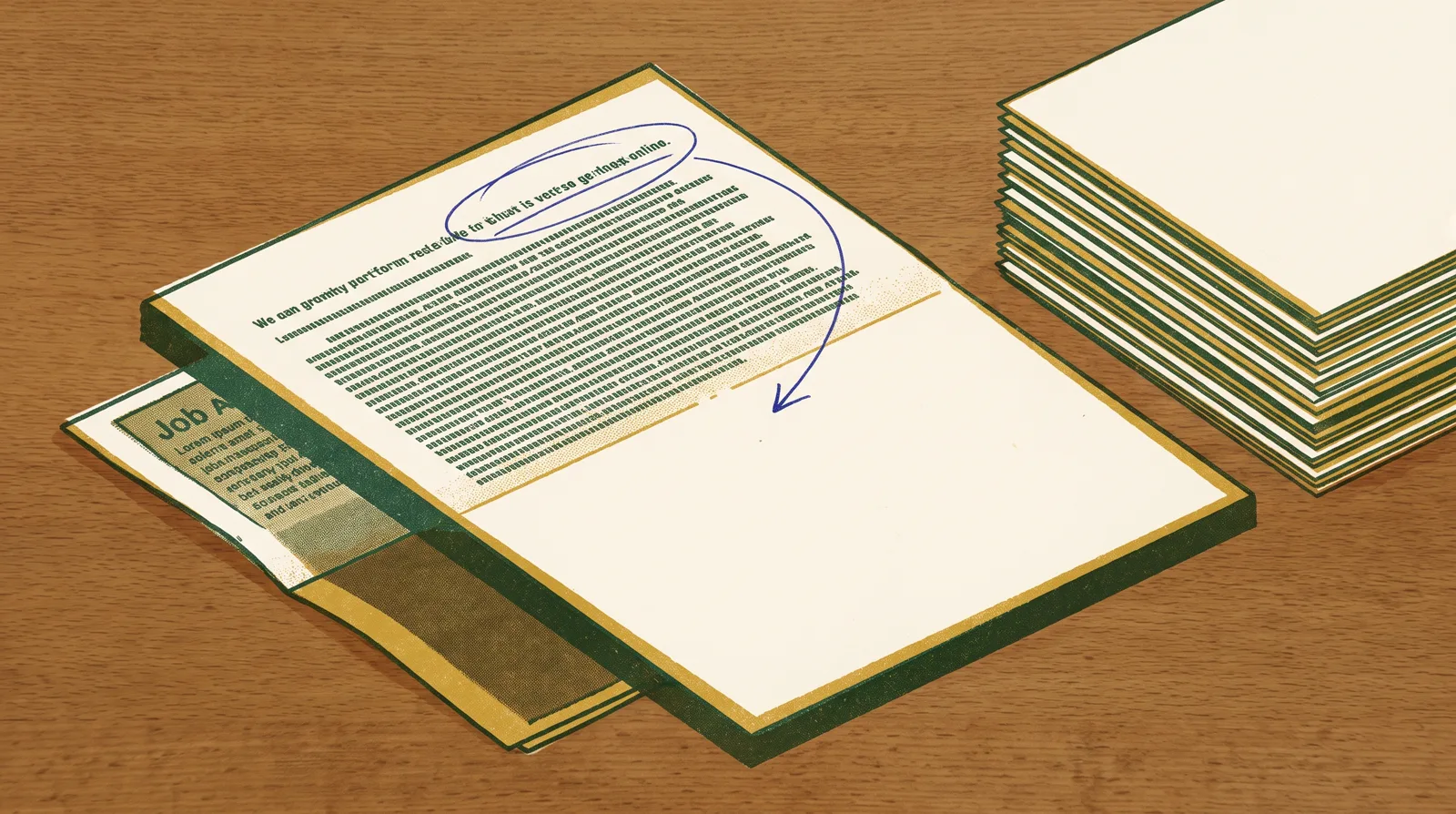
Four bands, and almost every answer given by a competent candidate lands in band two. Then twenty questions with short model answers and, for each, the reason it works and the one sentence that lifts…
- 03 Five Scenarios, Worked and Marked3개 강의·2h 50m
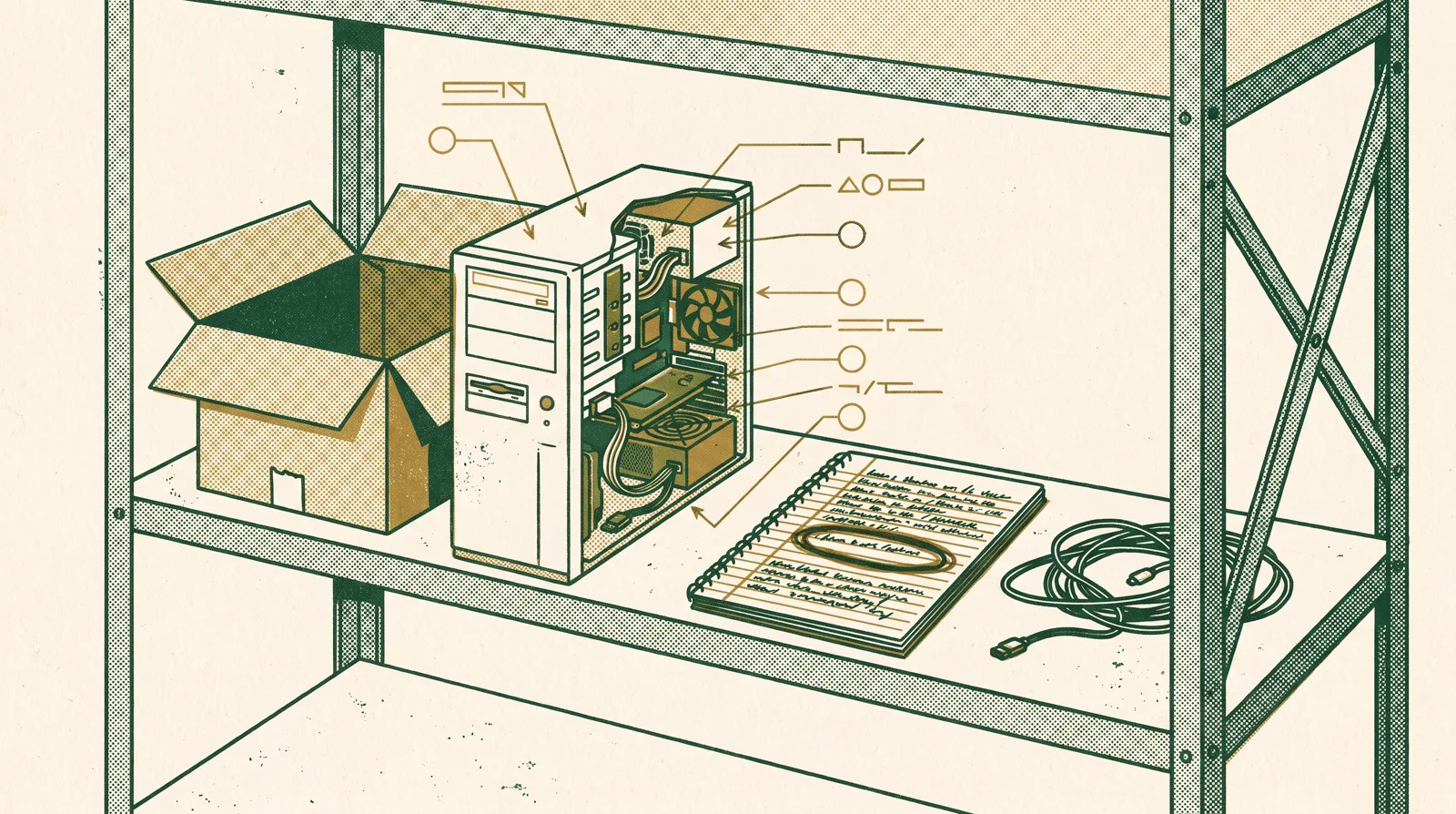
Two of these have a model answer containing no technology at all, and the fastest candidate in the room picks up a telephone. Two of them punish you for acting confidently on a list of facts that…
- 04 The Panel, and the Same Evening3개 강의·1h 36m
Panels for security roles have a recognisable shape, and the hostile engineer is a role rather than a personality. Three questions here have a correct answer that is a boundary. The questions you ask…
자주 묻는 질문
- The Security Interview에서 무엇을 배우나요?
- Four rooms, each testing something different. What the recruiter screen is actually filtering, and the salary range asked before anything else. The technical bank, with a model answer and the reason it works. Five scenario questions marked the way a hiring manager marks them. Then the panel, the que
- 사전 경험이 필요한가요?
- The Security Interview을 시작하기 전에 기초 지식이 있으면 좋아요.
- The Security Interview은 얼마나 걸리나요?
- The Security Interview은 4개 모듈과 12개 강의로 구성되어 있고, 자신의 속도로 학습할 수 있어요.
- 어떻게 접근하나요?
- The Security Interview은 모든 유료 구독에 포함되어 있어요.
사이버 방어의 다른 강의