Kubernetes for People Who Have to Run It
For the engineer who already has this in production and did not choose it. The request path outside in, scheduling and node pools, the address space that runs out while the hardware sits idle, and a control-plane bootstrap worked through its real failure sequence to a conclusion.
- trending_upAdvanced
- schedule9h 20m
- menu_bookLekcje: 12
- publicEnglish
- workspace_premiumBasic
Odprawa
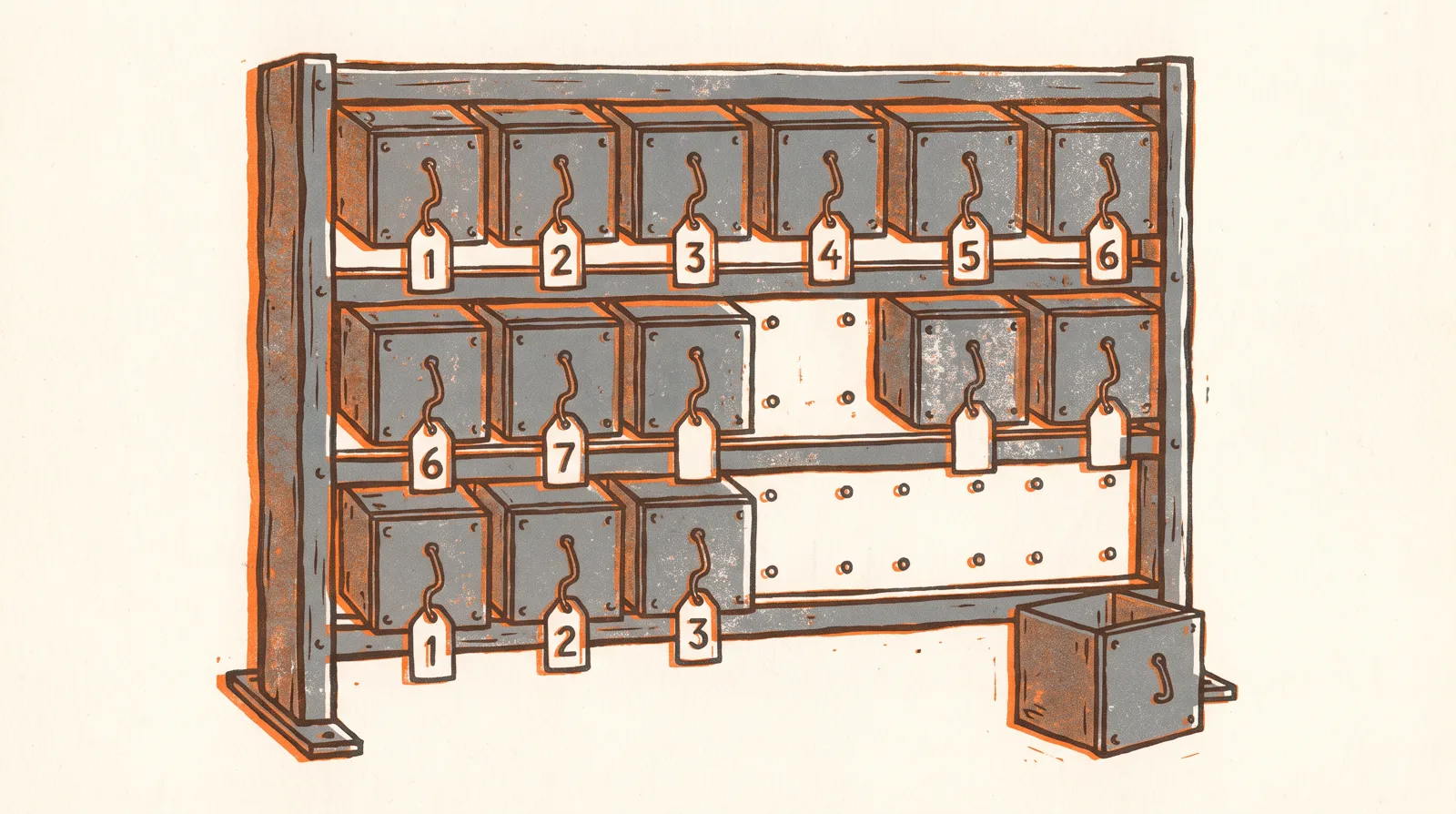
This is the highest level in the Library and it does not open by explaining what a container is for. It assumes you run something. Somebody else built the cluster, or you built it in a hurry two years ago, and you are now the person who gets rung when it stops. If you are still deciding whether to adopt this platform at all, read the fourth module of Securing a Cloud Estate You Didn't Build first — it works through a client who asked for a Kubernetes-scale answer to a spreadsheet-scale problem, and it gives you the words to refuse. That argument is finished and this segment does not reopen it. This one starts one step later. Everything here is taught from something that failed. You will apply an Ingress that is accepted and does nothing, schedule pods that never run, resolve a service name perfectly and connect to nothing, and fill a machine with 32 idle cores and 96 GB of untouched memory until it refuses the next twenty-six pods. That last one is the best technical moment in the source material: a node with headroom for around four hundred pods that can only be given 256 internal addresses per interface, so full-mesh communication caps density long before the processor does. The last module builds a control plane from nothing on a throwaway host. It fails four times first — a leftover file, forwarding disabled, a port already taken, and a bootstrap that hangs for four minutes and then gives up with an error that does not name the cause. The bring-up in the source notes stops at that hang, unfinished. This one finishes it. The thread running through all four modules is a single habit: in this platform a green tick means an object was accepted, and says nothing whatsoever about whether anything acted on it.
Program kursu · Moduły: 4
lockOdblokowuje się z dostępem- 01 Co Właściwie Działa, Od Zewnątrz do WewnątrzLekcje: 3·1h 51m
Wszyscy poznają tę platformę od wewnątrz na zewnątrz, a potem muszą debugować ją od zewnątrz pod presją o 3 nad ranem. Ten moduł buduje mapę w kierunku, z którego przybywa incydent, i kończy się na…
- 02 Gdzie rzeczy lądują i dlaczegoLekcje: 3·1h 56m
Każdy może umieścić pod raz. Praca polega na tym, aby to ustawienie przetrwało kontakt z jedenastoma innymi inżynierami, którzy o nim nigdy nie słyszeli, i to wymaga obu połów mechanizmu, z którego…
- 03 Sieć i przestrzeń adresowa, która się wyczerpałaLekcje: 3·2h 41m
Dwa laboratorium w tym module wytwarzają klaster, który jest zdrowy według każdej metryki, którą zbiera twoje monitorowanie i nie może uruchomić kolejnego obciążenia pracą. Drugi nie pozostawia…
- 04 Bootstrap, który się nie powiódłLekcje: 3·2h 52m
Większość osób czytających to nigdy nie będzie budować płaszczyznę kontrolną, i to rozsądna decyzja, a nie luka. Zrób to jednak raz: rozruch to jedyna okazja, na której ta platforma wylicza się w…
Najczęściej zadawane pytania
- Czego się nauczę w Kubernetes for People Who Have to Run It?
- For the engineer who already has this in production and did not choose it. The request path outside in, scheduling and node pools, the address space that runs out while the hardware sits idle, and a control-plane bootstrap worked through its real failure sequence to a conclusion.
- Czy potrzebuję wcześniejszego doświadczenia?
- Przed rozpoczęciem Kubernetes for People Who Have to Run It zaleca się wcześniejszą wiedzę.
- Ile czasu zajmuje Kubernetes for People Who Have to Run It?
- Kubernetes for People Who Have to Run It obejmuje 4 modułów i 12 lekcji. Uczysz się we własnym tempie.
- Jak uzyskać dostęp?
- Kubernetes for People Who Have to Run It jest wliczony w każdą płatną subskrypcję.
Więcej w: Informatyka