Kubernetes for People Who Have to Run It
For the engineer who already has this in production and did not choose it. The request path outside in, scheduling and node pools, the address space that runs out while the hardware sits idle, and a control-plane bootstrap worked through its real failure sequence to a conclusion.
- trending_upAdvanced
- schedule9h 20m
- menu_book12 ders
- publicEnglish
- workspace_premiumBasic
Özet
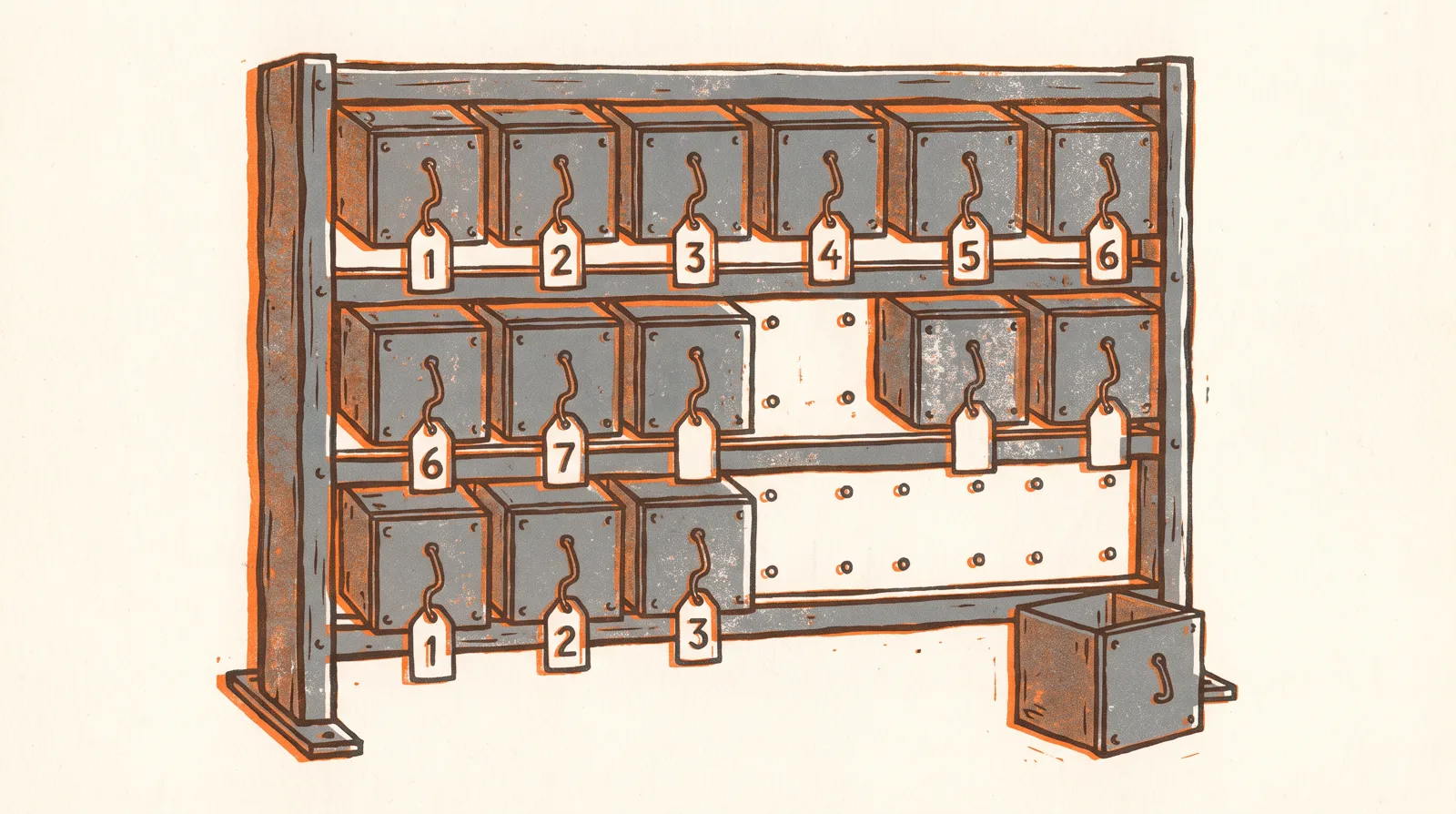
This is the highest level in the Library and it does not open by explaining what a container is for. It assumes you run something. Somebody else built the cluster, or you built it in a hurry two years ago, and you are now the person who gets rung when it stops. If you are still deciding whether to adopt this platform at all, read the fourth module of Securing a Cloud Estate You Didn't Build first — it works through a client who asked for a Kubernetes-scale answer to a spreadsheet-scale problem, and it gives you the words to refuse. That argument is finished and this segment does not reopen it. This one starts one step later. Everything here is taught from something that failed. You will apply an Ingress that is accepted and does nothing, schedule pods that never run, resolve a service name perfectly and connect to nothing, and fill a machine with 32 idle cores and 96 GB of untouched memory until it refuses the next twenty-six pods. That last one is the best technical moment in the source material: a node with headroom for around four hundred pods that can only be given 256 internal addresses per interface, so full-mesh communication caps density long before the processor does. The last module builds a control plane from nothing on a throwaway host. It fails four times first — a leftover file, forwarding disabled, a port already taken, and a bootstrap that hangs for four minutes and then gives up with an error that does not name the cause. The bring-up in the source notes stops at that hang, unfinished. This one finishes it. The thread running through all four modules is a single habit: in this platform a green tick means an object was accepted, and says nothing whatsoever about whether anything acted on it.
Kurs içeriği · 4 modül
lockErişimle açılır- 01 Aslında Dışarıdan İçeriye Neyin Çalıştığı3 ders·1h 51m
Herkes bu platformu içeriden dışarıya öğrenir ve sonra saat 3'te baskı altında dışarıdan hata ayıklamak zorunda kalır. Bu modül, harita oluşturmayı olayın geldiği yönde yapılandırır ve hiçbir devir…
- 02 Şeylerin Nereye İndiği ve Neden3 ders·1h 56m
Herkes bir pod'u bir kez yerleştirebilir. İşin gerçek kısmı bu düzenlemenin daha önce bundan hiç duymayan on bir diğer mühendisle buluşmasından sonra da işlevsel kalmasını sağlamaktır ve bu bir…
- 03 Ağ ve Tükenen Adres Alanı3 ders·2h 41m
Bu modüldeki iki lab, izlemenizin topladığı her ölçüme göre sağlıklı olan ama başka bir iş yükü başlatamayan bir küme üretir. İkincisi bir saat sonra hiçbir iz bırakmaz; bu gerçekten öğretilen…
- 04 Başarısız Bootstrap3 ders·2h 52m
Bu yazıyı okuyan çoğu insan hiçbir zaman bir kontrol düzlemi inşa etmeyecektir ve bu makul bir karardır, bir eksiklikten ziyade. Yine de bir kez yapın: bring-up, bu platformun kendisini sırayla…
Sık sorulan sorular
- Kubernetes for People Who Have to Run It kursunda ne öğreneceğim?
- For the engineer who already has this in production and did not choose it. The request path outside in, scheduling and node pools, the address space that runs out while the hardware sits idle, and a control-plane bootstrap worked through its real failure sequence to a conclusion.
- Önceden deneyim sahibi olmam gerekiyor mu?
- Kubernetes for People Who Have to Run It'yi başlamadan önce biraz ön bilgi önerilir.
- Kubernetes for People Who Have to Run It ne kadar sürer?
- Kubernetes for People Who Have to Run It 4 modül ve 12 ders içerir. Kendi hızınızda öğrenirsiniz.
- Nasıl erişim sağlarım?
- Kubernetes for People Who Have to Run It tüm ücretli aboneliklere dahildir.
Bilgisayar Bilimleri içinde daha fazlası