Third-Party Risk, End to End
Toàn bộ vòng đời nhà cung cấp, không phải bảng câu hỏi. Tìm ra những nhà cung cấp mà không ai biết đến, quyết định mức diligence phù hợp cho từng bên, lấy những điều khoản quan trọng, đọc các bằng chứng không ngừng đến, phát hiện bốn nhà cung cấp thực ra là một, và thoát khỏi một cách sạch sẽ.
- trending_upIntermediate
- schedule7h 21m
- menu_book12 bài học
- publicEnglish
- workspace_premiumBasic
Tóm tắt
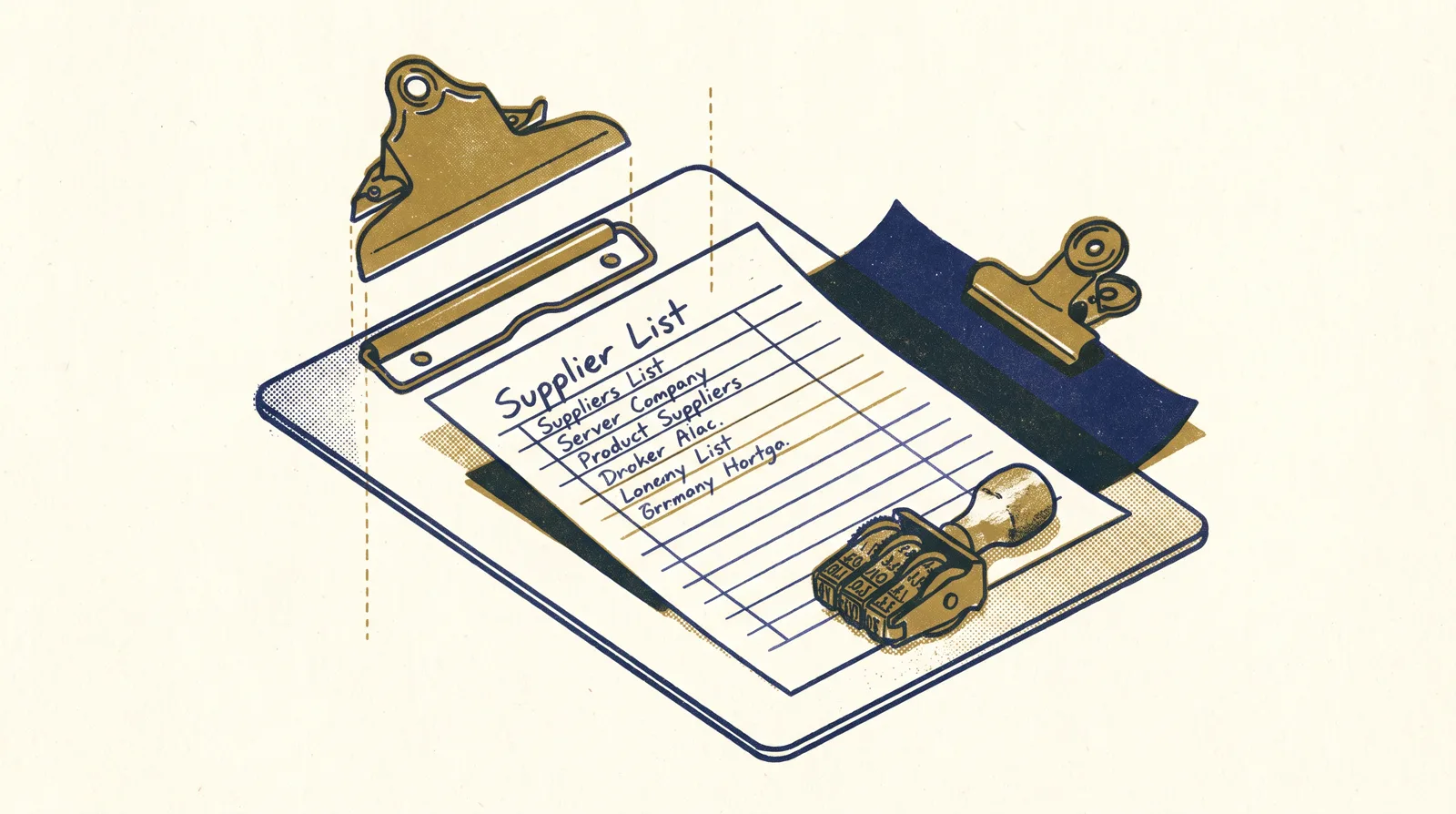
Ai đó trong tổ chức của bạn đã mua thứ gì đó tháng này mà lưu giữ dữ liệu khách hàng, và phòng đặt hàng chưa bao giờ nghe nói đến nó. Nó chỉ ba mươi pounds trên một thẻ, được đăng ký bằng địa chỉ email công ty, và không có hợp đồng. Nhà cung cấp đó giờ đây nằm trong phạm vi rủi ro của bạn nhưng ngoài sổ đăng ký của bạn. Hầu hết công việc quản lý rủi ro từ bên thứ ba thất bại ở đó, trước khi bất kỳ bảng câu hỏi nào được gửi đi. Segment này là vòng đời. Bạn xây dựng một sổ đăng ký từ bảng kê thẻ và nhật ký đăng nhập thay vì từ phòng đặt hàng, bởi vì hai nguồn đó biết những điều mà phòng đặt hàng không biết. Bạn viết một quy tắc phân tầng để quyết định cho bạn, vì vậy mức diligence mà một nhà cung cấp nhận được không phải được thương lượng lại mỗi khi ai đó vội vàng. Bạn rút ngắn một bộ câu hỏi cho đến khi nó ngắn đủ để thực sự có câu trả lời, và bạn học được bảng câu hỏi được trả về là gì: một tuyên bố về ý định, được viết bởi ai đó muốn thực hiện thỏa thuận, về một tình trạng sự việc mà không ai độc lập đã kiểm tra. Bạn lấy một số điều khoản hợp đồng thay đổi những gì xảy ra vào một ngày xấu, và bạn để phần còn lại cho công tố viên, bởi vì hợp đồng là lĩnh vực pháp lý và segment này nói như vậy trong mọi bài học chạm vào một bộ. Sau đó bạn xử lý chín tháng bằng chứng đến một hộp thư mà không ai đọc. Cuối cùng, bạn lập sơ đồ những gì đứng sau những nhà cung cấp của bạn, phát hiện ra rằng bốn người trong số họ dừng lại cùng một lúc vì cùng một lý do, và viết một kế hoạch thoát khỏi một người mà bạn đang rời bỏ, người mà tài khoản quản trị viên của họ vẫn hoạt động năm tháng sau khi hợp đồng kết thúc. Một chương trình tạo ra một bảng tính với hai trăm câu hỏi đã thất bại. Nó đã chuyển giao hàng tuần công việc cho các nhà cung cấp không đủ khả năng để thực hiện, chọn lọc những công ty có đội tuân thủ thay vì những công ty có thực hành tốt, và không tạo ra bất kỳ quyết định nào mà ai đó đã thay đổi. Kiểm tra áp dụng trong toàn bộ segment này là hẹp hơn và khó hơn: câu hỏi này, nếu được trả lời trung thực, sẽ thay đổi điều gì về những gì chúng tôi làm? Nếu câu trả lời là không có gì, câu hỏi sẽ bị loại bỏ. Bạn kết thúc với năm tạo tác: một sổ đăng ký nhà cung cấp với các chủ sở hữu và ngày xem xét, một quy tắc phân tầng được viết, một bộ câu hỏi gồm mười lăm với một tạo tác đóng cửa chống lại mỗi câu, một danh sách điều khoản với những gì mỗi điều khoản mang lại cho bạn, và một kế hoạch thoát khỏi. Không cái nào trong số đó là dài. Tất cả chúng đều là loại thứ phải tồn tại nếu ai đó khác nhặt nó lên khi bạn đang đi nghỉ. Mọi con số tiền, số đếm và ngày tháng trong segment này chỉ mang tính minh họa. Các con số được hình thành sao cho phép tính hoạt động một cách thực tế; không có con số nào là khẳng định về những gì bất cứ thứ gì có giá hay mất bao lâu trong thế giới thực. Không có gì trong segment này là lời khuyên pháp lý: nội dung hợp đồng và bảo vệ dữ liệu là lĩnh vực pháp lý, và công tố viên riêng của người học sẽ quyết định.
Nội dung khóa học · 4 mô-đun
lockMở khóa với quyền truy cập- 01 Sổ Đăng Ký, Được Xây Dựng Từ Những Gì Bạn Có Thể Thấy3 bài học·1h 36m
Hỏi phòng mua sắm về danh sách nhà cung cấp và bạn sẽ nhận được danh sách những thứ được mua thông qua phòng mua sắm. Đó không phải là cùng một tập hợp. Bảng sao kê thẻ biết về những khoản phí định…
- 02 Mức Độ Cần Thiết Của Sự Kiểm Chứng Này Là Bao Nhiêu3 bài học·1h 59m
Nhà cung cấp bốn người không thể trả lời hai trăm câu hỏi. Họ sẽ cố gắng, mất bảy tuần để làm, trả lời sáu mươi câu, và bạn sẽ phê duyệt họ dù sao vì dự án cần họ vào tháng Ba. Mọi người liên quan…
- 03 Hợp đồng và Bằng chứng Liên tục Xuất hiện3 bài học·1h 40m
Một điều khoản không dừng lại sự cố. Cái nó mua cho bạn là thông báo, quyền bằng chứng và một cách thoát ra. Điều đó đáng có và đáng biết nó là gì, vì quyền kiểm tra mà không ai sẽ bao giờ thực hiện…
- 04 Các Bên Thứ Tư, Tập Trung, và Rút Khỏi3 bài học·2h 6m
Bạn có bốn nhà cung cấp trong bốn chức năng và bạn cảm thấy thoải mái vì đó là đa dạng hóa. Sau đó bạn đọc bốn danh sách dưới xử lý viên và ba trong số chúng nằm ở cùng một nơi. Tập trung không phải…
Các câu hỏi thường gặp
- Tôi sẽ học gì trong Third-Party Risk, End to End?
- Toàn bộ vòng đời nhà cung cấp, không phải bảng câu hỏi. Tìm ra những nhà cung cấp mà không ai biết đến, quyết định mức diligence phù hợp cho từng bên, lấy những điều khoản quan trọng, đọc các bằng chứng không ngừng đến, phát hiện bốn nhà cung cấp thực ra là một, và thoát khỏi một cách sạch sẽ.
- Tôi có cần kinh nghiệm trước đó không?
- Nên có một số kiến thức trước đó trước khi bắt đầu Third-Party Risk, End to End.
- Third-Party Risk, End to End mất bao lâu?
- Third-Party Risk, End to End bao gồm 4 mô-đun và 12 bài học. Bạn học theo tốc độ của riêng mình.
- Làm cách nào để tôi có quyền truy cập?
- Third-Party Risk, End to End được bao gồm trong bất kỳ gói đăng ký nào.
Thêm trong Lập trình