From Blocks to Text: Scratch to Python for ages 9–12
Your child already built something in Scratch. This is the same program, typed out line for line in Python — the same jump, the same question, the same greeting, with no palette to pick blocks from. Twelve lessons across four sessions, written for the nine-to-twelve-year-old at the keyboard, with four pages for the adult beside them.
- trending_upBeginner
- schedule5h 6m
- menu_book12 lessons
- publicEnglish
- workspace_premiumBasic
Briefing
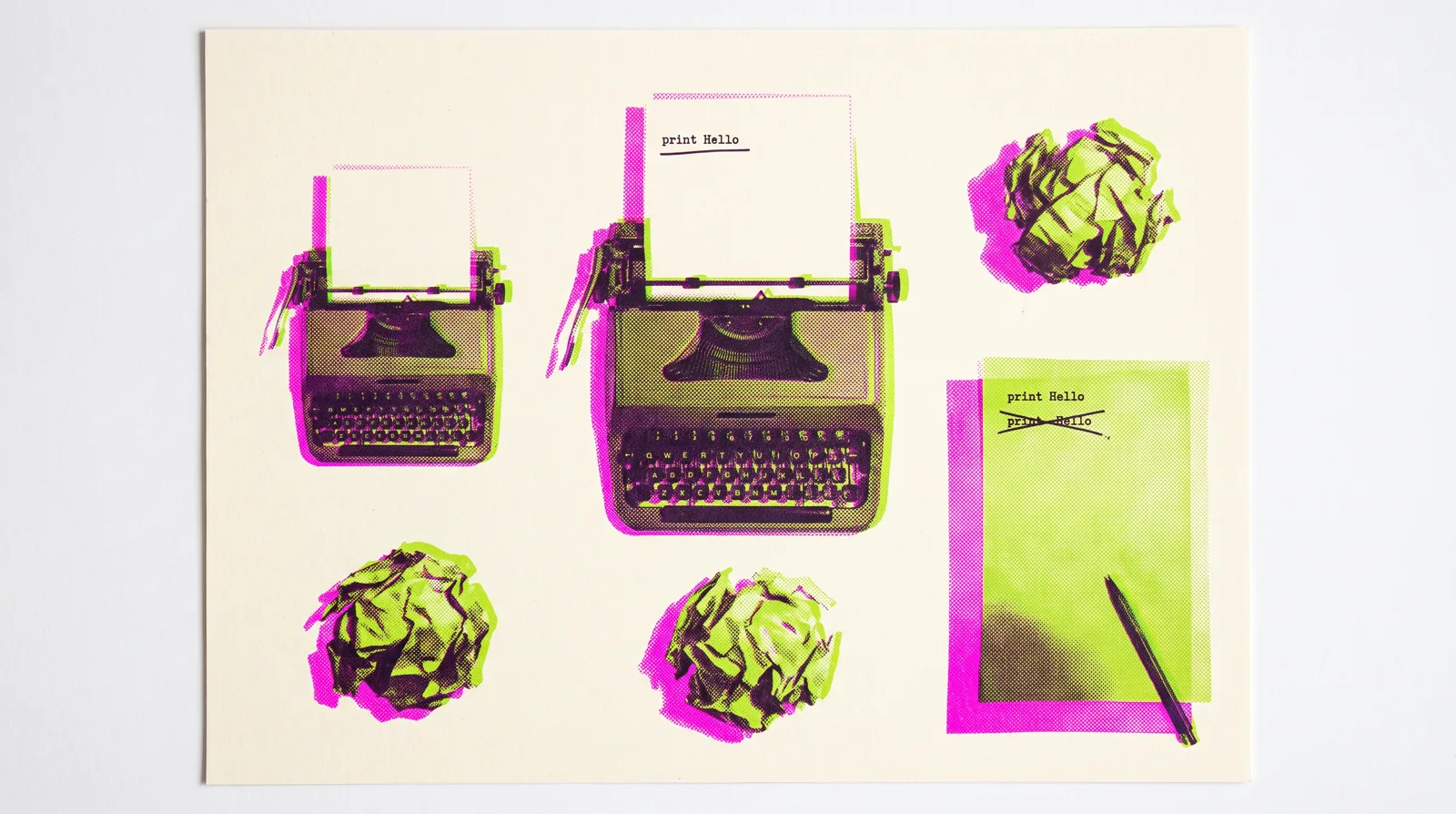
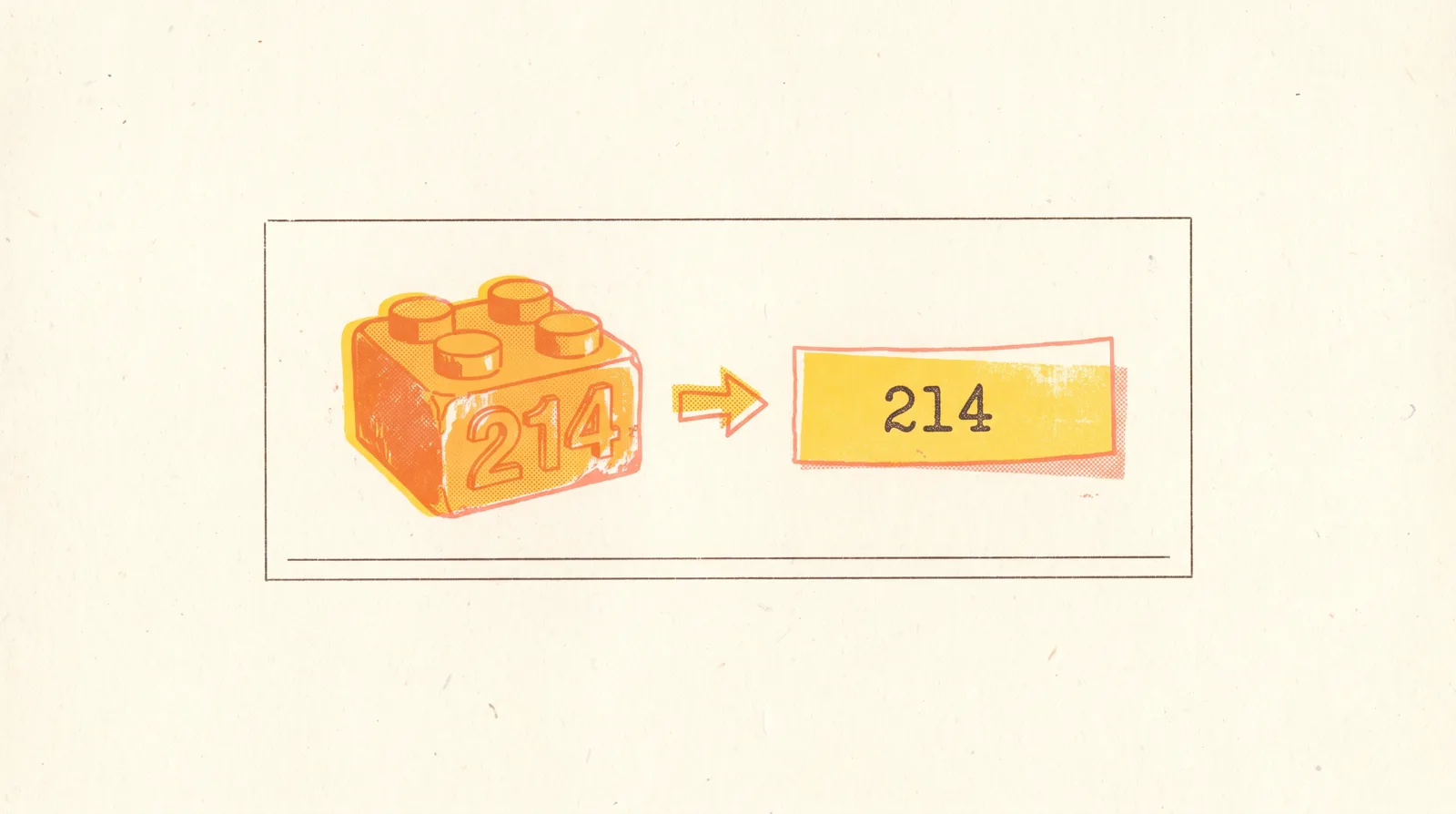
Nothing new is being taught here. That is the point. A child who has finished a Scratch project already understands events, loops, input and output. They just met all four as coloured shapes that snap together. This segment takes one project they built themselves and rebuilds it in Python, one block at a time, so that every Python idea arrives already understood and only the way it is written is new. When clicked becomes running the file. Say becomes print. Ask and wait becomes input. Repeat becomes a for loop. If stays if. Nothing else has to be learned to cross. What does have to be learned is what the palette used to do for you. Scratch never let you misspell a block, never let you forget a colon, never let you use the wrong kind of quote mark, and drew the loop's bracket around your blocks in solid orange so you could see it. Python does none of that. One whole module is about those four things and nothing else, and every one of them is met by typing it wrong first and reading what the computer says back. The last module crosses the blocks that were left over, and then stops. This segment is a bridge, not a Python course. It ends by handing the child to Python From a White Sheet, module two, which is where Python proper starts.
Course outline · 4 modules
lockUnlocks with access- 01 The Same Program, Twice3 lessons·1h 14m
Do not start by explaining Python. Start by putting the child's own Scratch script on the left of the screen and its typed lines on the right. The whole module is the claim that these are the same…
- 02 Four Things That Are Now Your Problem3 lessons·1h 19m
Every failure in this module was invisible in Scratch because the palette prevented it. Say that out loud once. Then let all four fire. There will be more red text in this session than in the rest of…
- 03 Rebuild It3 lessons·1h 21m
Module 1 was translation with the answer visible. This is the same program from nothing. Expect it to take longer than you think and expect the first run to fail. The module ends with the child…
- 04 The Blocks You Have Not Crossed Yet3 lessons·1h 12m
This module ends the segment deliberately early. Everything after it belongs to Python From a White Sheet. The last lesson is for the adult and is about how they stop being needed.
Frequently asked
- What will I learn in From Blocks to Text: Scratch to Python for ages 9–12?
- Your child already built something in Scratch. This is the same program, typed out line for line in Python — the same jump, the same question, the same greeting, with no palette to pick blocks from. Twelve lessons across four sessions, written for the nine-to-twelve-year-old at the keyboard, with fo
- Do I need prior experience?
- No — From Blocks to Text: Scratch to Python for ages 9–12 starts from the fundamentals and is suitable for beginners.
- How long does From Blocks to Text: Scratch to Python for ages 9–12 take?
- From Blocks to Text: Scratch to Python for ages 9–12 includes 4 modules and 12 lessons. You learn at your own pace.
- How do I get access?
- From Blocks to Text: Scratch to Python for ages 9–12 is included with any paid subscription.
More in Programming