code programming

From Blocks to Text: Scratch to Python for ages 9–12

Your child already built something in Scratch. This is the same program, typed out line for line in Python — the same jump, the same question, the same greeting, with no palette to pick blocks from. Twelve lessons across four sessions, written for the nine-to-twelve-year-old at the keyboard, with four pages for the adult beside them.

  • trending_upBeginner
  • schedule5h 6m
  • menu_book12 堂課程
  • publicEnglish
  • workspace_premiumBasic

課程簡介

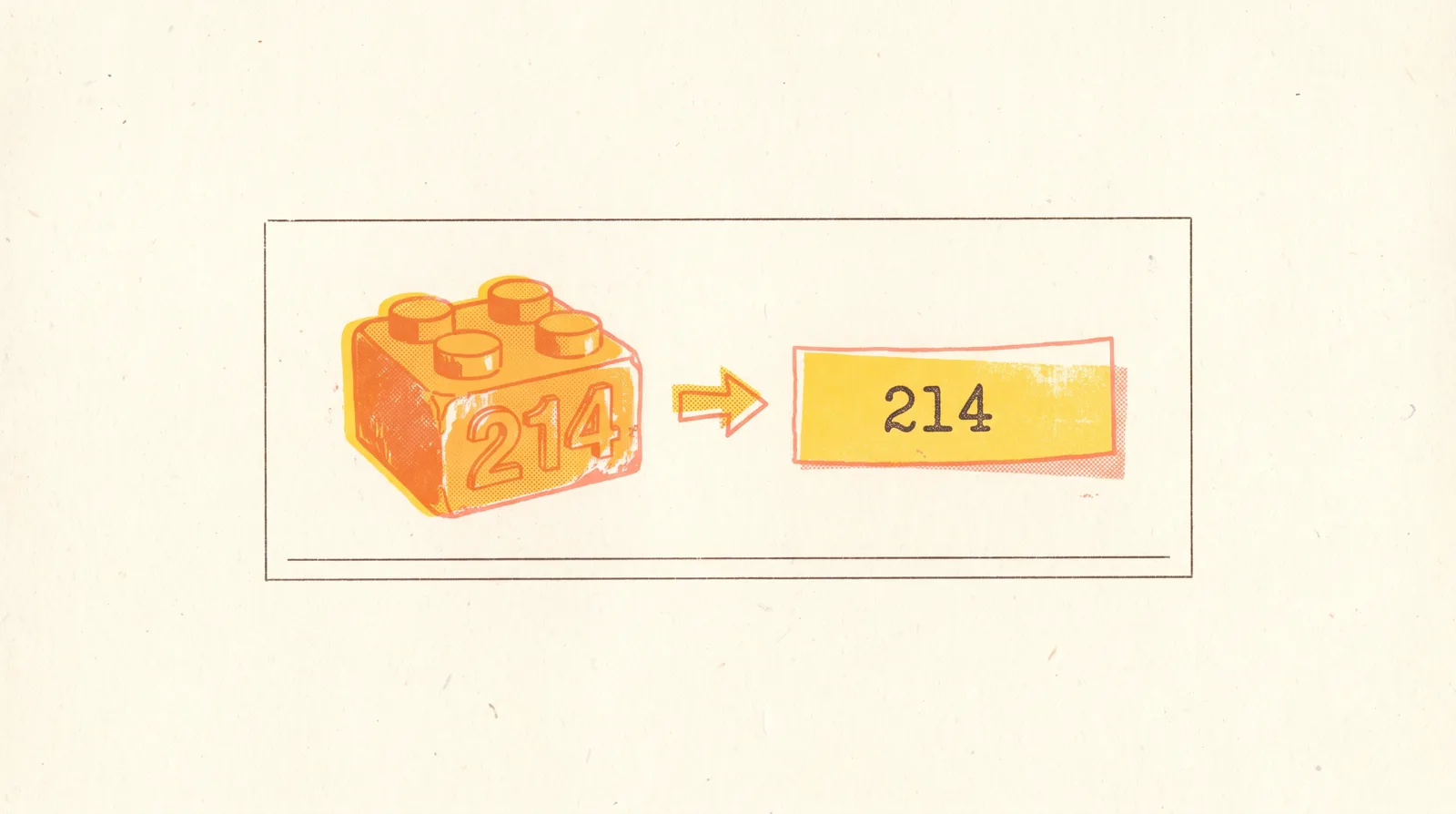
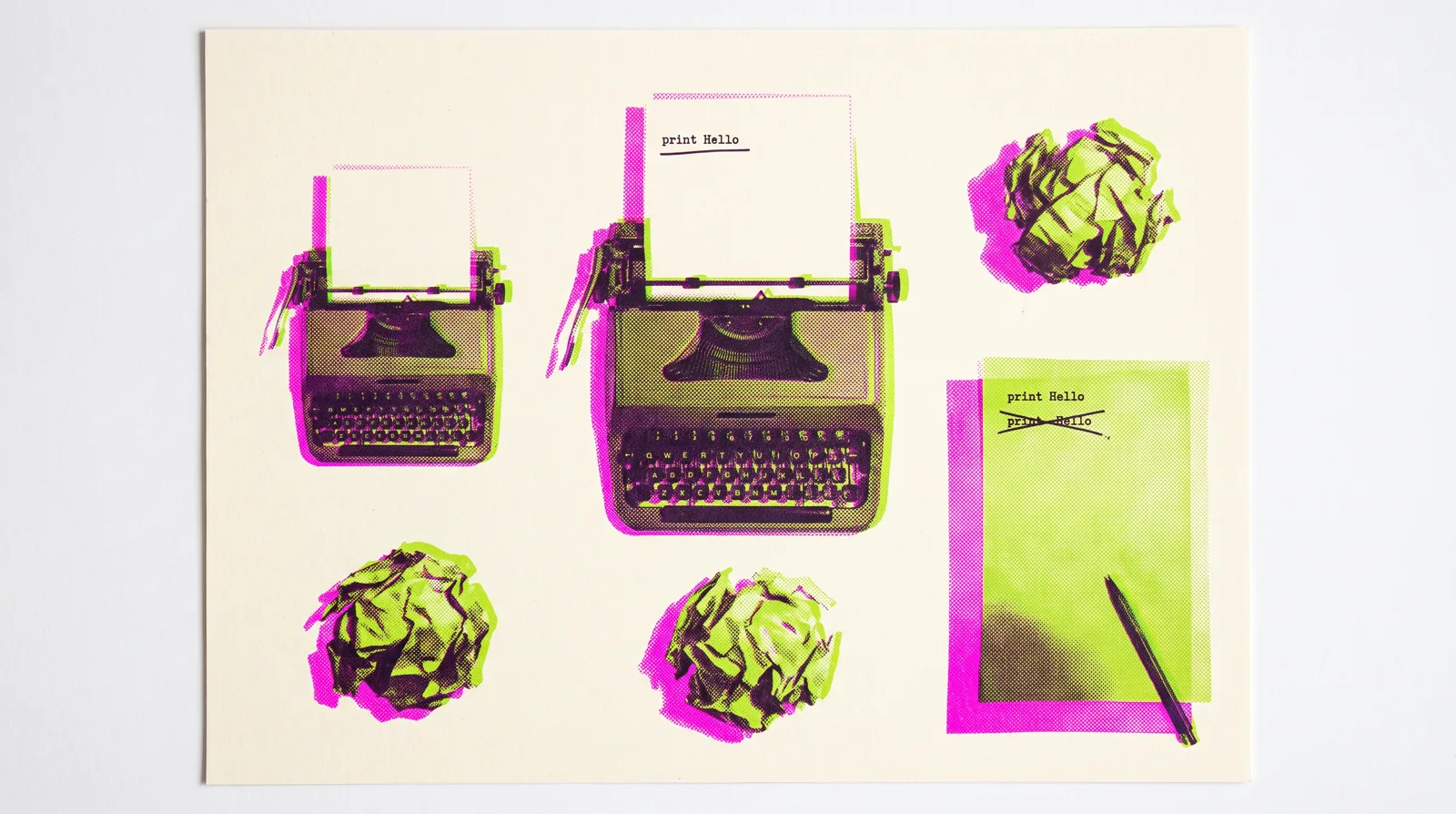
Nothing new is being taught here. That is the point. A child who has finished a Scratch project already understands events, loops, input and output. They just met all four as coloured shapes that snap together. This segment takes one project they built themselves and rebuilds it in Python, one block at a time, so that every Python idea arrives already understood and only the way it is written is new. When clicked becomes running the file. Say becomes print. Ask and wait becomes input. Repeat becomes a for loop. If stays if. Nothing else has to be learned to cross. What does have to be learned is what the palette used to do for you. Scratch never let you misspell a block, never let you forget a colon, never let you use the wrong kind of quote mark, and drew the loop's bracket around your blocks in solid orange so you could see it. Python does none of that. One whole module is about those four things and nothing else, and every one of them is met by typing it wrong first and reading what the computer says back. The last module crosses the blocks that were left over, and then stops. This segment is a bridge, not a Python course. It ends by handing the child to Python From a White Sheet, module two, which is where Python proper starts.

課程大綱 · 4 個單元

lock隨存取權限解鎖
  1. 01 The Same Program, Twice
    3 堂課程·1h 14m

    Do not start by explaining Python. Start by putting the child's own Scratch script on the left of the screen and its typed lines on the right. The whole module is the claim that these are the same…

  2. 02 Four Things That Are Now Your Problem
    3 堂課程·1h 19m

    Every failure in this module was invisible in Scratch because the palette prevented it. Say that out loud once. Then let all four fire. There will be more red text in this session than in the rest of…

  3. 03 Rebuild It
    3 堂課程·1h 21m

    Module 1 was translation with the answer visible. This is the same program from nothing. Expect it to take longer than you think and expect the first run to fail. The module ends with the child…

  4. 04 The Blocks You Have Not Crossed Yet
    3 堂課程·1h 12m

    This module ends the segment deliberately early. Everything after it belongs to Python From a White Sheet. The last lesson is for the adult and is about how they stop being needed.

常見問題

我將在 From Blocks to Text: Scratch to Python for ages 9–12 中學到什麼?
Your child already built something in Scratch. This is the same program, typed out line for line in Python — the same jump, the same question, the same greeting, with no palette to pick blocks from. Twelve lessons across four sessions, written for the nine-to-twelve-year-old at the keyboard, with fo
我需要事先具備經驗嗎?
不需要——From Blocks to Text: Scratch to Python for ages 9–12 從基礎開始,適合初學者。
From Blocks to Text: Scratch to Python for ages 9–12 需要多長時間?
From Blocks to Text: Scratch to Python for ages 9–12 包含 4 個單元和 12 堂課程。你可以按自己的進度學習。
我如何取得存取權限?
From Blocks to Text: Scratch to Python for ages 9–12 包含在任何付費訂閱方案中。

程式設計 中的更多內容

AI Without the Hype
Beginner AI Without the Hype What the model is actually doing when it answers you, why that produces something that looks like thinking, why it invents citations, and the cost mechanic almost nobody explains: a chat resends the entire conversation on every single turn. You will do the arithmetic yourself.
First Program — Scratch for ages 5–9
Beginner First Program — Scratch for ages 5–9 Nine Scratch blocks, three sessions of about twenty-five minutes, and one small program a child of five to nine builds themselves. Written for the parent sitting beside them: what to click, what they will get stuck on, what to say when it goes wrong, and when to keep your hands off the mouse.
Binary, Hex and Data Units
Beginner Binary, Hex and Data Units The topic that costs more marks than any other on the paper, taught by hand. Bits and bytes, binary and hex in all six directions, the 1000-versus-1024 trap, file sizes, transmission times, overflow, two's complement and character sets. Every module ends in a timed drill marked the way an examiner marks it.
Python From a White Sheet
Beginner Python From a White Sheet The exact sequence nine students have already walked, from a blank file to a program that asks questions, checks the answers and refuses bad input. No prior programming. No maths. You will break it repeatedly, on purpose.
IGCSE and GCSE Computer Science — Theory That Actually Gets Marked
Intermediate IGCSE and GCSE Computer Science — Theory That Actually Gets Marked The theory half of the paper, taught so it survives the exam room. The memory hierarchy and what actually happens at boot. Compilers, interpreters and assemblers, including the answer that sounds right and scores nothing. Databases from a spreadsheet up to keys and normalisation. DNS and the full path between pressing Enter and seeing the page. Systems software, and the ethical and legal section that is the easiest ten marks on the paper.
Programming for the Exam — Python Answers That Score
Intermediate Programming for the Exam — Python Answers That Score The programming half of the paper, taught at exam pitch. Pseudocode translated both ways, because the mark scheme is written in a notation nobody practises. Trace tables done column by column, including the ones with a loop and a condition inside it. Linear and binary search, bubble and insertion sort, what each costs and the comparison questions boards love. Validation against verification, and the boundary test data everybody forgets. Procedures against functions, and a systematic method for finding your own error with four minutes left.